




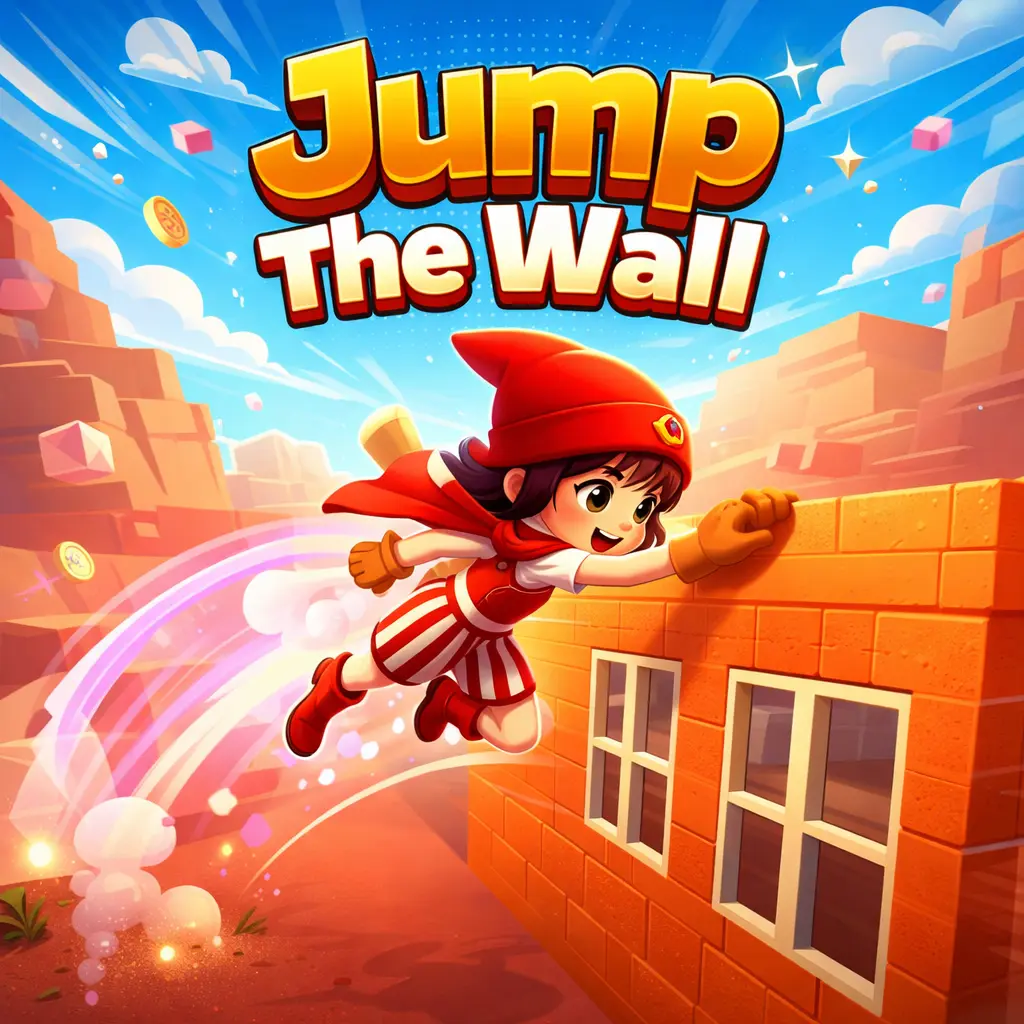

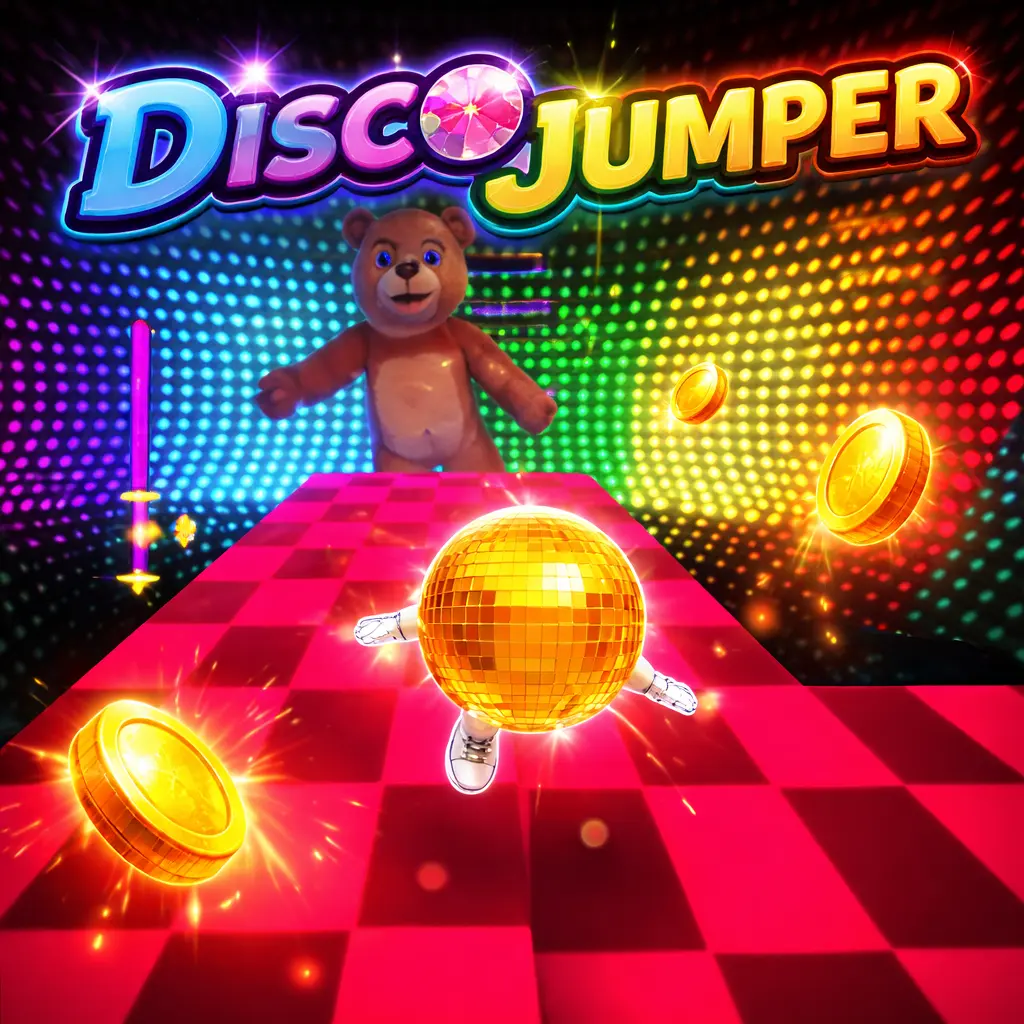
Jumper is an endless jumping arcade game where your character automatically bounces upward while you control direction, avoid traps, and push for the highest possible height.
Instead of relying on complex mechanics, the game builds its challenge around movement control, reaction speed, and decision-making. Every run feels like a test of consistency, where small mistakes can end the attempt, but smart movement can extend it far beyond your expectations.
Core Gameplay and Progression
Jumper follows a familiar vertical progression system, but what makes it engaging is how it gradually increases pressure on the player. At the beginning, platforms are stable and easy to read, giving you time to adjust. As you climb higher, the environment becomes less predictable, introducing moving platforms, collapsing surfaces, and hazards that require quick judgment rather than instinctive movement.
The game is not just about surviving longer, it is about optimizing every jump. You are constantly balancing between safe landings and risky movements that could give you better positioning or access to power-ups. This creates a subtle layer of strategy beneath what initially feels like a simple reflex game.
Key Mechanics Breakdown
- Automatic jumping removes idle time and keeps pacing consistent
- Horizontal control becomes the main skill factor
- Platform variety directly affects difficulty scaling
- Obstacles act as skill checks rather than random blockers
- Power-ups shift gameplay from survival to opportunity
Systems That Drive Engagement
What separates Jumper from many similar games is how it combines short-term action with long-term progression. The inclusion of items, upgrades, and unlockables ensures that each session contributes to overall improvement, not just a single score attempt.
Power-ups such as Golden Pogo or temporary boosts are not just advantages, they are pacing tools. They create moments where the game briefly accelerates, giving players a sense of progress before returning to a more controlled rhythm. This contrast keeps the gameplay from feeling repetitive.
At the same time, customization elements like skins and rewards provide additional motivation. Even if a run ends early, players still gain something, which encourages continuous play without frustration building up too quickly.
Feature Analysis
- Power-ups create dynamic pacing instead of constant difficulty
- Upgrade system supports long-term progression
- Visual design reduces stress while maintaining focus
- Controls remain simple but scale with player skill
- Replay value comes from improvement, not randomness
Game Overview Table
| Category | Details |
|---|---|
| Genre | Endless Jump / Arcade |
| Core Mechanic | Auto jump + directional control |
| Objective | Reach maximum height |
| Difficulty | Gradually increases |
| Power-ups | Boost, shield, jump enhancement |
| Progression | Upgrades and unlockable items |
| Platforms | Desktop and Mobile |
Jumper works because it stays focused on one core idea and executes it well. There is no unnecessary complexity, but there is enough depth in movement and progression to keep players improving over time. If you are looking for a game that feels simple at first but becomes increasingly skill-based, this is exactly that kind of experience.